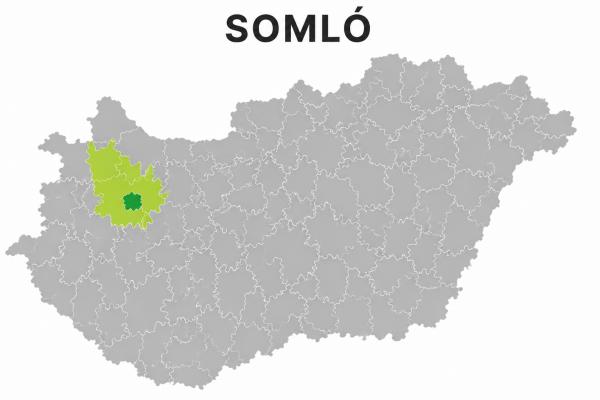
Somló

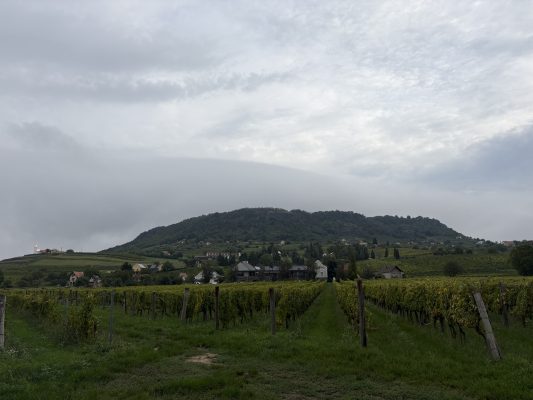
Somló is one of Hungary’s smallest and most distinctive wine regions. It lies in western Hungary, where a solitary volcanic hill rises from the surrounding plain.

The hill formed from the remains of an ancient volcano. Today, vineyards cover its slopes and produce wines with a strong sense of place. The local landscape gives Somló a character that few other Hungarian wine regions can match.

A Volcanic Terroir

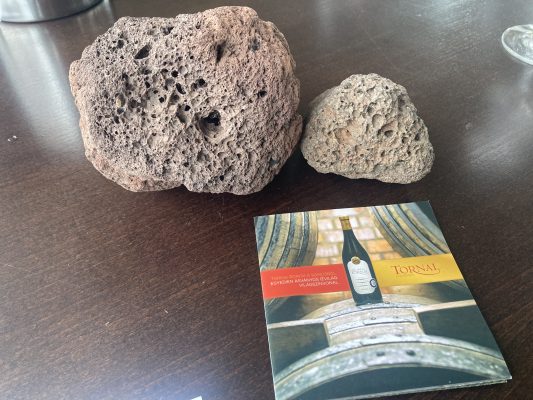
Volcanic soils play a central role in Somló’s wines. Basalt and volcanic tuff form much of the vineyard soil. Clay, marl and other mineral-rich layers add further diversity.

The dark volcanic rock also stores heat during the day. Meanwhile, the vines send their roots deep into the soil. Together, these conditions help create wines with structure, freshness and a distinctive mineral character.

Juhfark and White Wines

Somló focuses mainly on white wine. Furmint, Hárslevelű and Olaszrizling all have an important place in the region. However, one grape stands above the rest: Juhfark.

Juhfark is an old Hungarian grape variety. Somló remains its most famous home. The variety produces wines with firm acidity, restrained fruit and a strong mineral character.

Young Juhfark can feel powerful and quite austere. However, time in the bottle brings greater harmony. The wine can develop smoky, savoury and complex flavours while keeping its fresh acidity.

A Wine with Character

Somló wines rarely focus on ripe fruit. Instead, they express the character of the vineyard. Expect firm acidity, stony minerality and subtle savoury notes.

The wines can also show a distinctive smoky quality. This character often becomes more noticeable with age. As a result, mature Somló wines can offer remarkable depth and complexity.

Somló also has a colourful history. Local traditions once gave its wines a reputation for medicinal qualities. Juhfark even earned the nickname “wedding-night wine”.

According to local folklore, couples who drank Juhfark on their wedding night might have a better chance of having a male heir. The story remains part of Somló’s colourful wine culture today.

Somló Today

Today, a new generation of winemakers brings fresh energy to Somló. They continue to work with traditional grape varieties while exploring the character of individual vineyards.

The region remains small, rugged and distinctive. Its wines offer something very different from Hungary’s larger wine regions.

Somló does not rely on powerful fruit or easy sweetness. Instead, its wines speak through volcanic soil, firm acidity and time.

For wine lovers, Somló offers a chance to discover one of Hungary’s most individual terroirs. Its wines may take a little patience, but they reward those who take the time to understand them.
Tornai

Region: Somlo

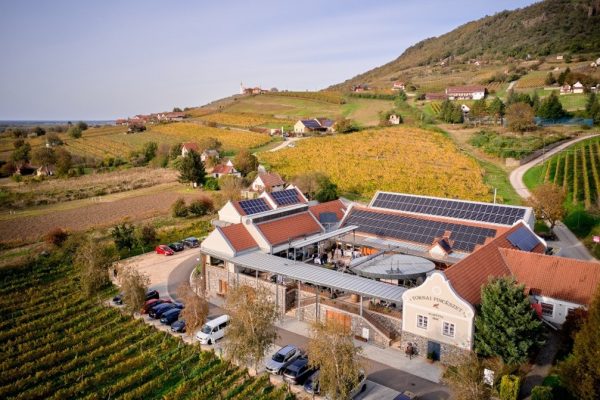
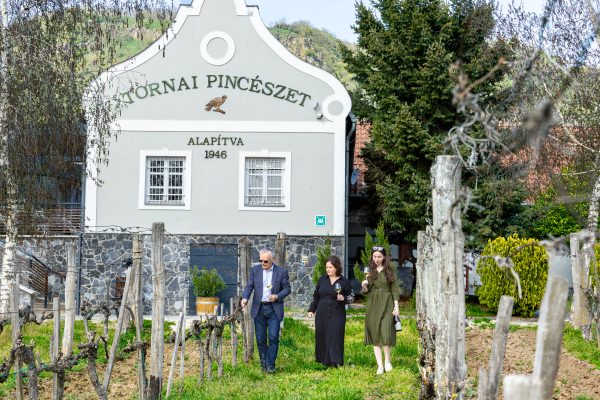
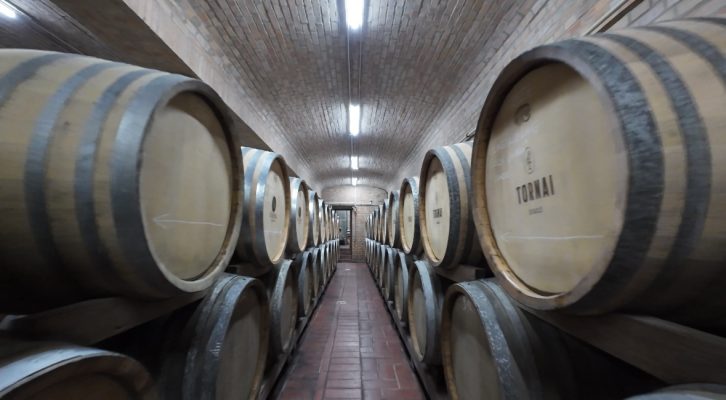
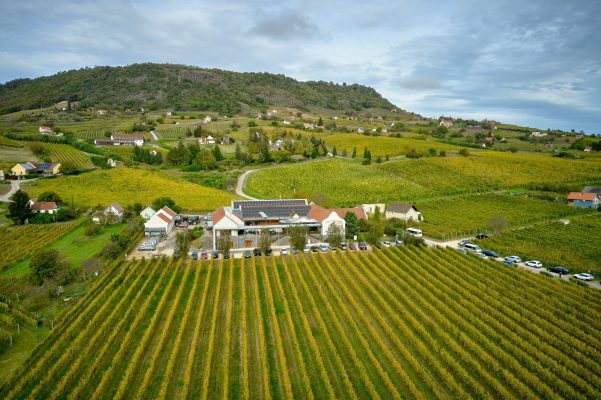
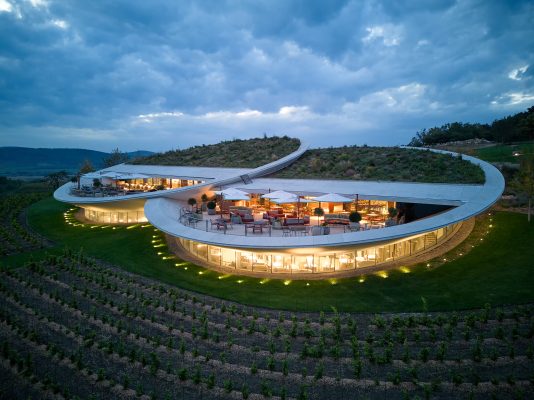
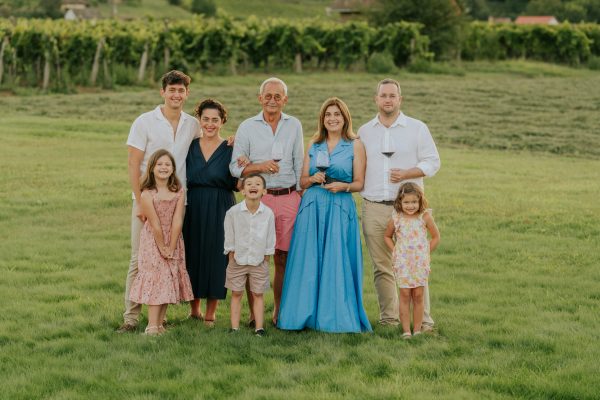
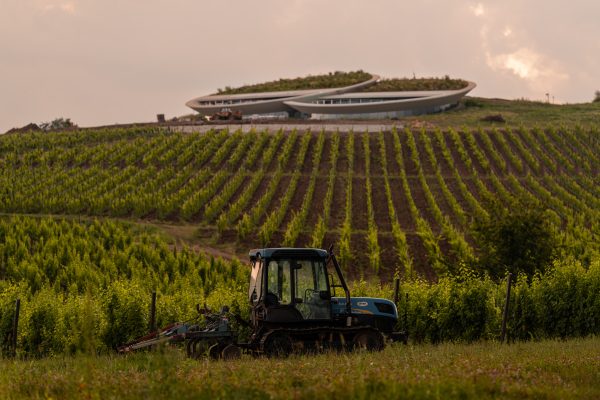
Founded by Endre Tornai in 1946, Tornai is the oldest continuously operating family winery on Somló and one of the defining estates of this remarkable volcanic wine region.

Beginning with less than one hectare, the family estate has grown to around 70 hectares across some of Somló’s most important vineyard sites, including Grófi, Aranyhegy, Szent Ilona and Apátsági. Today, successive generations of the Tornai family continue to combine tradition with modern, precise winemaking.

Tornai has played an important role in preserving and revitalising Somló’s indigenous grape varieties, particularly Juhfark, alongside Furmint and Hárslevelű. These varieties thrive on the mountain’s ancient volcanic soils, producing distinctive wines renowned for their vibrant acidity, pronounced minerality and remarkable ageing potential.

From fresh, fruit-driven estate wines to complex single-vineyard bottlings, Tornai offers a fascinating exploration of one of Hungary’s smallest and most distinctive wine regions — wines shaped unmistakably by the volcanic character of Somló.

Click here for Tornai wines!

Sauska

Region: Tokaj and Villány (Sauska has 2 wineries locations)

Founded by Christian and Andrea Sauska, Sauska is one of the leading names of modern Hungarian wine, with estates in two of the country’s great wine regions: Tokaj in the northeast and Villány in the south.

From the beginning, Sauska has combined respect for Hungarian terroir with a modern, innovative and international outlook. In Tokaj, the family produces dry Furmint, traditional Tokaji Aszú and pioneering traditional-method sparkling wines, while Villány focuses on polished reds from Cabernet Franc, Kékfrankos and Bordeaux varieties.

Innovation is central to the Sauska philosophy. The family has worked with renowned international specialists including soil experts Claude and Lydia Bourguignon, Italian oenologist Stefano Chioccioli and legendary Champagne cellar master Régis Camus.

Today, Sauska represents a contemporary face of Hungarian wine: precise, ambitious and internationally minded, while firmly rooted in the distinctive terroirs of Tokaj and Villány.


Vida Peter

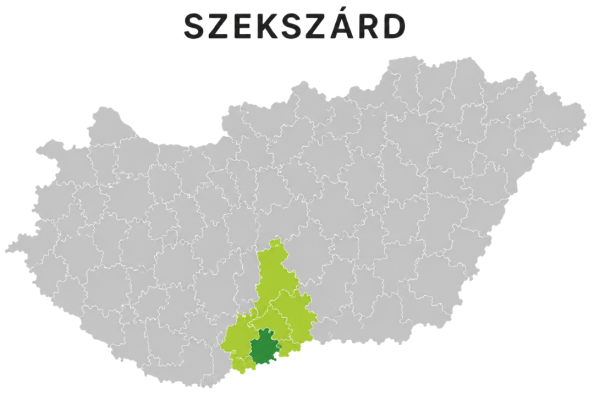
Region: Szekszárd wine region (Pannon macro-region), Hungary
Winemaker: Vida Zsuzsanna, daughter of Vida Peter

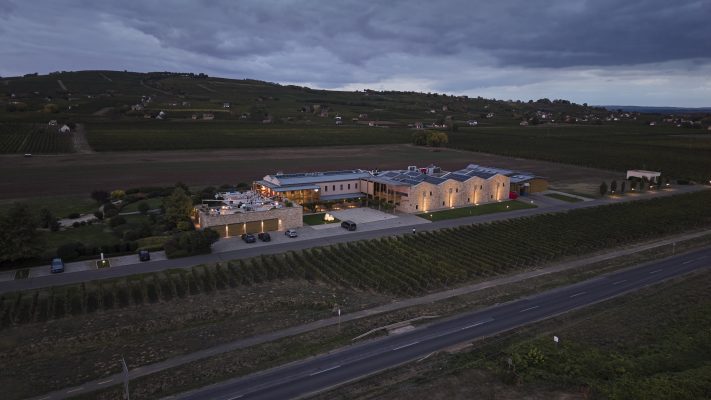
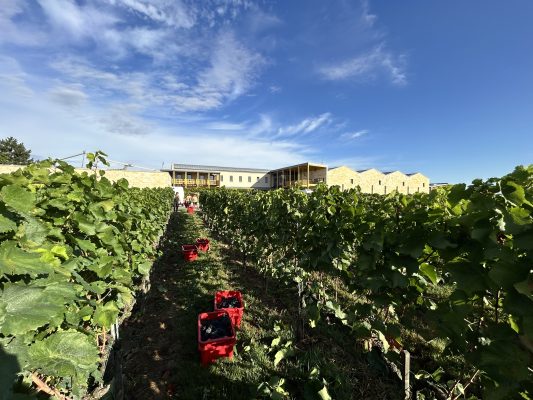
Vida Péter is one of the defining producers of modern Szekszárd. A passionate champion of Hungary’s indigenous grape varieties. Founded as a family estate and built over more than three decades, the winery today farms 23 hectares across some of Szekszárd’s finest valleys and vineyards.

Péter Vida was named Hungary’s Winemaker of the Year in 2011. He has long believed that the true identity of Szekszárd lies not in powerful international-style reds, but in elegant, expressive wines based on Kadarka, Kékfrankos and the historic Bikavér blend.

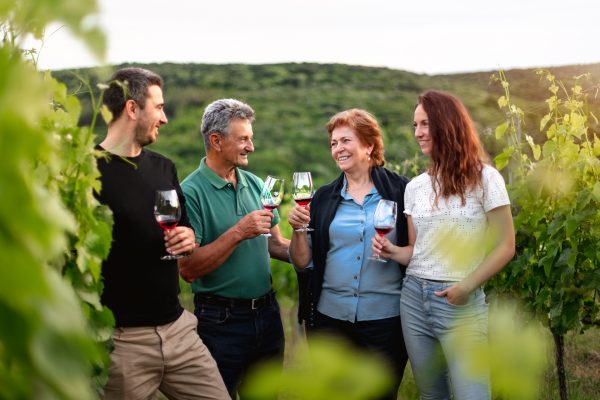
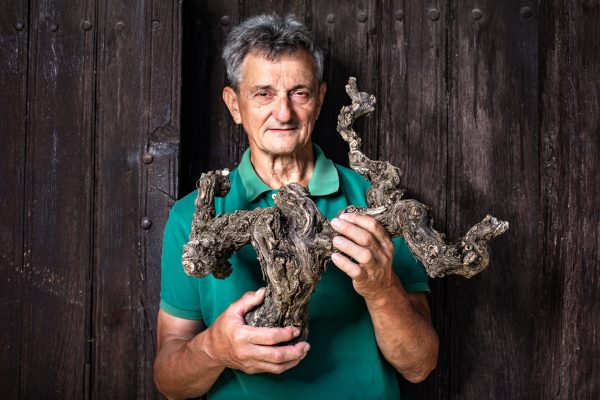
Today, the next generation of the Vida family continues this philosophy, combining careful vineyard work with a fresh, increasingly precise approach in the cellar. Particular attention is given to preserving and revitalising Kadarka, including the estate’s remarkable century-old Bonsai vines and their selected descendants.

The result is a distinctly Szekszárd style: fragrant, elegant and full of character, with freshness and drinkability always taking precedence over sheer power.


Villány Region

Villány is Hungary’s best-known red wine region. It lies in the south of the country, close to the Croatian border. Its warm climate and long growing season create ideal conditions for full-bodied red wines.

The region stretches along the Villány Mountains. Vineyards cover the sunny southern slopes, where they receive plenty of warmth throughout the growing season. At the same time, the hills provide shelter from colder weather.

A Warm Terroir

Villány has a warmer climate than most Hungarian wine regions. The area receives plenty of sunshine, while the Mediterranean influence helps grapes ripen fully.

The vineyards grow on a mix of limestone, loess and clay. These soils vary from one vineyard to another. As a result, local wines can show different textures, aromas and levels of structure.

The warm conditions particularly suit red grape varieties. Cabernet Franc, Merlot, Cabernet Sauvignon and Kékfrankos all perform well here.

Cabernet Franc

Cabernet Franc has become one of Villány’s signature grapes. The variety thrives in the region’s warm climate and produces rich yet elegant wines.

Villány Cabernet Franc often shows ripe black fruit, spice and herbal notes. With careful ageing, the wines develop greater depth and complexity. The best examples combine generous fruit with fresh acidity and well-integrated tannins.

Local producers have helped establish Villány as one of the leading regions for Cabernet Franc in Central Europe.

Villányi Franc

Villány has also created a distinctive style around its most important grape. Villányi Franc represents the region’s premium Cabernet Franc wines.

These wines focus on quality, balance and a clear sense of origin. They often combine ripe fruit with fine tannins, fresh acidity and a long finish.

However, Cabernet Franc does not tell the whole story. Villány also produces excellent blends and wines from other red varieties. Kékfrankos, Merlot and Cabernet Sauvignon all contribute to the region’s diverse wine portfolio.

A Long Winemaking Tradition

Villány has a long history of grape growing and winemaking. German settlers brought new winemaking traditions to the area in the 18th century. Since then, generations of local families have developed the region’s vineyards and cellars.

Today, Villány combines this heritage with modern winemaking. Many producers use traditional cellars alongside modern technology. They also focus more closely on individual vineyards and careful grape selection.

Villány Today

Villány has earned a strong reputation for powerful and polished red wines. Yet the region continues to evolve.

Winemakers now place greater emphasis on balance and freshness. As a result, many modern Villány wines combine the richness of the local climate with greater elegance and precision.

For red wine lovers, Villány offers one of Hungary’s most compelling wine experiences. Warm sunshine, ripe fruit and distinctive Cabernet Franc come together to create wines with depth, structure and character.


Bock Estate

Family-owned winery that is widely considered to be one of the very best and most
successful in Hungary. The Bock family has been growing vines and producing wine in the
Villány wine region since 1850.

A love of wine and the winemaking craft has been handed down from father to son over nine
generations. Today the estate processes 145 hectares, producing 36 types of wine.
To this day the Bock Estate operates as a family winery. József Bock runs the company
together with his children and expects his grandchildren to join them in the future. Their
work has earned them countless awards, including the national award for the most beautiful
Wine Estate in 2014.

Their wines are made from grapes grown on Villány’s prestigious slopes: Jammertál,
Ördögárok, Fekete-hegy, Bocor, Csillagvölgy, and Kopár.

Vojtek

Small family-owned winery of 8 hectares with 3 vineyards located at one of the most famous
vineyards in Villány, at the foot of Jammertal hill.
Run by the Vojtek family, father Csaba takes care of the winemaking, son Balasz is taking
care of the business part, daughter Fanni works as cellar hand while another son Túcsök
takes care of the vineyard.

Szekszárd Region

Szekszárd is one of Hungary’s most important red wine regions. It lies in southern Hungary, between the Danube and the Mecsek hills. The region enjoys a warm climate and plenty of sunshine, which help local grapes ripen fully.

Szekszárd has a long history of winemaking. Today, its producers make rich and expressive reds, while many also focus on freshness and elegance.

A Warm Terroir

Szekszárd has a relatively warm climate. The vineyards receive plenty of sunlight during the growing season. The surrounding hills also offer protection from strong winds and colder weather.

Most vineyards grow on loess soils. This fine, mineral-rich soil helps the vines develop deep roots. It also contributes to the soft texture and elegance that many Szekszárd wines display.

The region’s climate and soils suit a wide range of red grapes. Kékfrankos, Kadarka, Merlot and Cabernet Franc all play an important role.

Kadarka and Kékfrankos

Kadarka has a special place in Szekszárd’s wine heritage. This traditional Hungarian grape can produce light, fragrant and spicy reds. It has naturally delicate tannins and bright acidity.

Kékfrankos offers a different expression. The grape produces deeper wines with more structure and dark fruit flavours. It also forms the backbone of many traditional red blends from the region.

Together, these varieties show the diversity of Szekszárd. The region can produce both lighter, fragrant reds and more powerful wines with excellent ageing potential.

Szekszárdi Bikavér

Like Eger, Szekszárd has its own version of Bikavér, or “Bull’s Blood”. The wine takes the form of a traditional red blend. Kékfrankos provides the foundation, while producers can add several other local and international varieties.

Szekszárdi Bikavér often shows ripe fruit, spice and smooth tannins. However, the best examples also retain freshness and balance.

The style reflects Szekszárd’s warmer climate. At the same time, the local loess soils help the wines maintain elegance and a silky texture.

A Modern Wine Region

Szekszárd has strong roots in tradition. However, local winemakers continue to explore new approaches.

Many producers now pay closer attention to individual vineyards. They also work with native varieties such as Kadarka and Kékfrankos. At the same time, international grapes such as Cabernet Franc remain important.

As a result, modern Szekszárd wines can offer both power and finesse. They show ripe fruit without losing freshness.

Szekszárd Today

Today, Szekszárd stands out for its elegant red wines and distinctive local varieties. Its warm climate gives the wines generous fruit and depth. Meanwhile, the loess soils bring softness and finesse.

The region offers a different style from nearby Villány. Where Villány often produces powerful and full-bodied reds, Szekszárd can bring a lighter touch and more aromatic character.

For wine lovers, Szekszárd offers an excellent introduction to Hungary’s red wine culture. Kékfrankos, Kadarka and Bikavér capture the region’s warm climate, local traditions and elegant character.

Vesztergombi

Region: Szekszard
Winemaker: Vesztergombi Csaba

The Vesztergombi family has been growing grape and making wines since the 1700’s,
according to written records. The family coat of arms of this time clearly refers to the winegrowing
history.

The current Vesztergombi family winery was restarted in 1991, in 1993 Vesztergombi Ferenc 
was selected as Hungary’s “Winemaker of the Year”, and now he is joined by his son Vesztergombi Csaba
 in the business.

Vesztergombi winery currently grows grapes on 27 hectares of land at 6 different vineyards
and is considered to be one of the best wineries in the Szekszard region as well as in the whole
of Hungary.

Eger Region

Eger ranks among Hungary’s best-known wine regions. It lies in the north-east of the country, around the historic town of Eger. The region produces both elegant white wines and structured reds.

Eger has a cool continental climate. The surrounding hills protect the vineyards from extreme weather. Volcanic and limestone soils add further diversity. Together, the climate and soils help local grapes develop freshness, structure and character.

The region’s most famous wine is Egri Bikavér, or “Bull’s Blood”. This traditional red blend combines at least three grape varieties. Kékfrankos plays a central role, while producers may also use Cabernet Franc, Cabernet Sauvignon, Merlot, Pinot Noir and Kadarka.

Egri Bikavér comes in a range of styles. Some versions focus on fresh fruit and easy drinking. More serious examples offer greater depth and structure. The best wines balance ripe fruit, firm acidity and fine tannins.

Eger also produces Egri Csillag, its distinctive white blend. Local winemakers created this style as a white counterpart to Egri Bikavér. They can use both traditional Hungarian grapes and international varieties. The resulting wines often show fresh fruit, lively acidity and an aromatic character.

Native grapes remain an important part of Eger’s identity. Kékfrankos, Kadarka, Olaszrizling and Leányka all have a place in the region’s vineyards. Producers also grow international varieties such as Cabernet Franc and Chardonnay.

Winemaking has deep roots in Eger. Around the town and nearby villages, historic cellars run deep into the soft volcanic rock. These underground spaces maintain cool and stable conditions for wine ageing.

Today, Eger combines its winemaking traditions with a modern approach. Local producers continue to develop classic styles while paying more attention to individual vineyards and local varieties.

Eger offers remarkable diversity within a relatively small region. Its fresh white blends and age-worthy reds show the character of northern Hungary. Elegant, balanced and full of character, Eger offers a distinctive expression of Hungarian wine.