Vesztergombi

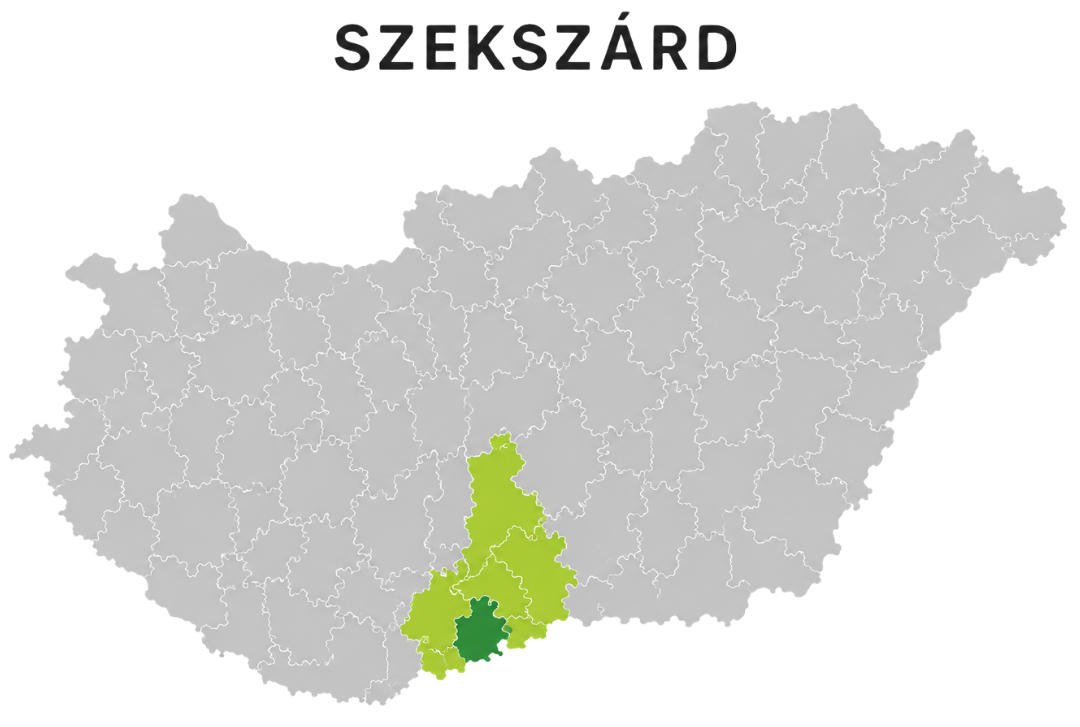
Region: Szekszard
Winemaker: Vesztergombi Csaba

The Vesztergombi family has been growing grape and making wines since the 1700’s,
according to written records. The family coat of arms of this time clearly refers to the winegrowing
history.

The current Vesztergombi family winery was restarted in 1991, in 1993 Vesztergombi Ferenc 
was selected as Hungary’s “Winemaker of the Year”, and now he is joined by his son Vesztergombi Csaba
 in the business.

Vesztergombi winery currently grows grapes on 27 hectares of land at 6 different vineyards
and is considered to be one of the best wineries in the Szekszard region as well as in the whole
of Hungary.

Eger Region

Eger ranks among Hungary’s best-known wine regions. It lies in the north-east of the country, around the historic town of Eger. The region produces both elegant white wines and structured reds.

Eger has a cool continental climate. The surrounding hills protect the vineyards from extreme weather. Volcanic and limestone soils add further diversity. Together, the climate and soils help local grapes develop freshness, structure and character.

The region’s most famous wine is Egri Bikavér, or “Bull’s Blood”. This traditional red blend combines at least three grape varieties. Kékfrankos plays a central role, while producers may also use Cabernet Franc, Cabernet Sauvignon, Merlot, Pinot Noir and Kadarka.

Egri Bikavér comes in a range of styles. Some versions focus on fresh fruit and easy drinking. More serious examples offer greater depth and structure. The best wines balance ripe fruit, firm acidity and fine tannins.

Eger also produces Egri Csillag, its distinctive white blend. Local winemakers created this style as a white counterpart to Egri Bikavér. They can use both traditional Hungarian grapes and international varieties. The resulting wines often show fresh fruit, lively acidity and an aromatic character.

Native grapes remain an important part of Eger’s identity. Kékfrankos, Kadarka, Olaszrizling and Leányka all have a place in the region’s vineyards. Producers also grow international varieties such as Cabernet Franc and Chardonnay.

Winemaking has deep roots in Eger. Around the town and nearby villages, historic cellars run deep into the soft volcanic rock. These underground spaces maintain cool and stable conditions for wine ageing.

Today, Eger combines its winemaking traditions with a modern approach. Local producers continue to develop classic styles while paying more attention to individual vineyards and local varieties.

Eger offers remarkable diversity within a relatively small region. Its fresh white blends and age-worthy reds show the character of northern Hungary. Elegant, balanced and full of character, Eger offers a distinctive expression of Hungarian wine.

Bolyki

A dramatically located, family-owned winery that is tucked inside a former stone quarry.
The quarry is on 3.2 hectares of land with four mine pits which are connected to each other
by tunnels. The estate has nine wine cellars.

Established in 1998, Bolyki winery distinguishes itself by its colourful and joyful looking
labels and a creative spirit that pushes the quality bar higher by each harvest.


Demeter Zoltán

Legendary winemaker in Tokaj, widely considered to be one of the very best winemakers in
Tokaj region, if not the best.

Worked with Istvan Szepsy to build the Királyudvar brand. He cares deeply about preserving
Tokaj’s cultural legacy, his foundation created a memorial park for Tokaj’s key figures,
reissued historic documents, and launched wine photography competitions.
Demeter’s winery is based in a landmark-protected 18th-century building in downtown
Tokaj, where soft classical music fills the pristine space of perfectly aligned oak barrels. He
was the first to make pezsgő, champagne-style bubbles, in Tokaj, and both his dries and
sweet aszús are among the very best.


Balassa

Balassa István, a shining star of the new generation of Tokaj winemakers.
He is keen to express the complex volcanic soil of Tokaj through his wines. He does this by
producing single-vineyard wines, splitting them by the soil’s mineral composition —
rhyolite, andesite, and quartz.

His own vineyard only has 17.6 hectares across 11 vineyards with 45 plots in the wine region
in the vicinity of Tokaj, Tarcal and Mád.


Tokaj Region

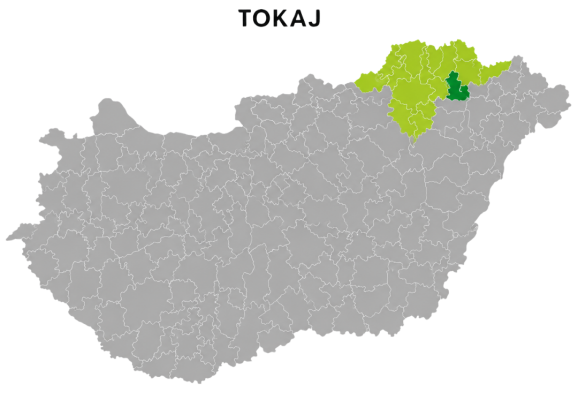
Tokaj lies in north-eastern Hungary, where the Bodrog and Tisza rivers meet. It ranks among the world’s most celebrated historic wine regions. For centuries, the area has been famous for one extraordinary wine: Tokaji Aszú.

The region combines rolling hills, volcanic soils and misty valleys. Together, these features create ideal conditions for both dry and sweet wines.

A Unique Terroir

Tokaj has a complex mix of volcanic and sedimentary soils. Rhyolite, andesite and volcanic tuff form the foundation of many vineyards. Clay and loess add further variety.

The Bodrog and Tisza rivers also shape the local climate. In autumn, cool morning mists rise through the vineyards. Warm, dry afternoons follow. This daily change creates ideal conditions for Botrytis cinerea, also known as noble rot.

As a result, Tokaj can produce grapes with intense concentration while retaining fresh acidity.

Furmint and Tokaji Aszú

Furmint stands at the heart of Tokaj. This Hungarian grape has naturally high acidity and retains its freshness as it ripens. It can produce everything from crisp, dry wines to rich and complex sweet wines.

Hárslevelű and Sárga Muskotály also play important roles in the region.

Tokaji Aszú represents the most famous expression of Tokaj. Noble rot shrivels individual grapes on the vine and concentrates their sugar and flavour. Workers pick these precious grapes by hand.

Winemakers then use the aszú berries to create wines with remarkable richness and longevity. The finest examples balance sweetness with vibrant acidity. They often show notes of dried apricot, honey, citrus and spice.

A Wine with History

Tokaj has a long and prestigious history. Its wines reached international markets as early as the 17th century. European royal courts soon developed a taste for them.

Tokaji Aszú later gained its famous description as “the wine of kings, the king of wines”, traditionally attributed to Louis XIV of France.

However, Tokaj offers much more than sweet wine today. A new generation of producers has embraced the region’s potential for dry wines, especially Furmint.

Dry Tokaji can show remarkable precision. These wines often combine bright acidity, mineral character and savoury flavours. They can also express the character of individual vineyards with great clarity.

Tokaj Today

Tokaj’s greatest strength lies in its diversity. The region produces everything from fresh, mineral dry whites to intensely sweet wines that can age for decades.

Yet every style shares a common thread. Volcanic soils, cool autumn mists, noble rot and naturally high acidity all help shape the wines.

Today, Tokaj continues to evolve while protecting its centuries-old traditions. Its wines offer a remarkable connection between nature, history and place.

Tokaj is more than a region famous for sweet wine. It is a unique wine landscape where nature transforms grapes into wines of extraordinary character and longevity.



Hungarian Wines

Hungarian Wine Regions

Central European Country. Member of European Union.

Neighbours: Romania, Slovakia, Austria, Slovenia, Croatia, Serbia

Capital: Budapest
Population: 9.6M
Language: Hungarian
Wine Regions: 6 major with 22 sub-regions 

Hungary’s winemaking tradition stretches back to Roman times, as early as the 1st century BC. Home to the oldest classified wine region in the world: Tokaj. The region was first classified in 1737, more than 100 years before the classification system in Bordeaux!